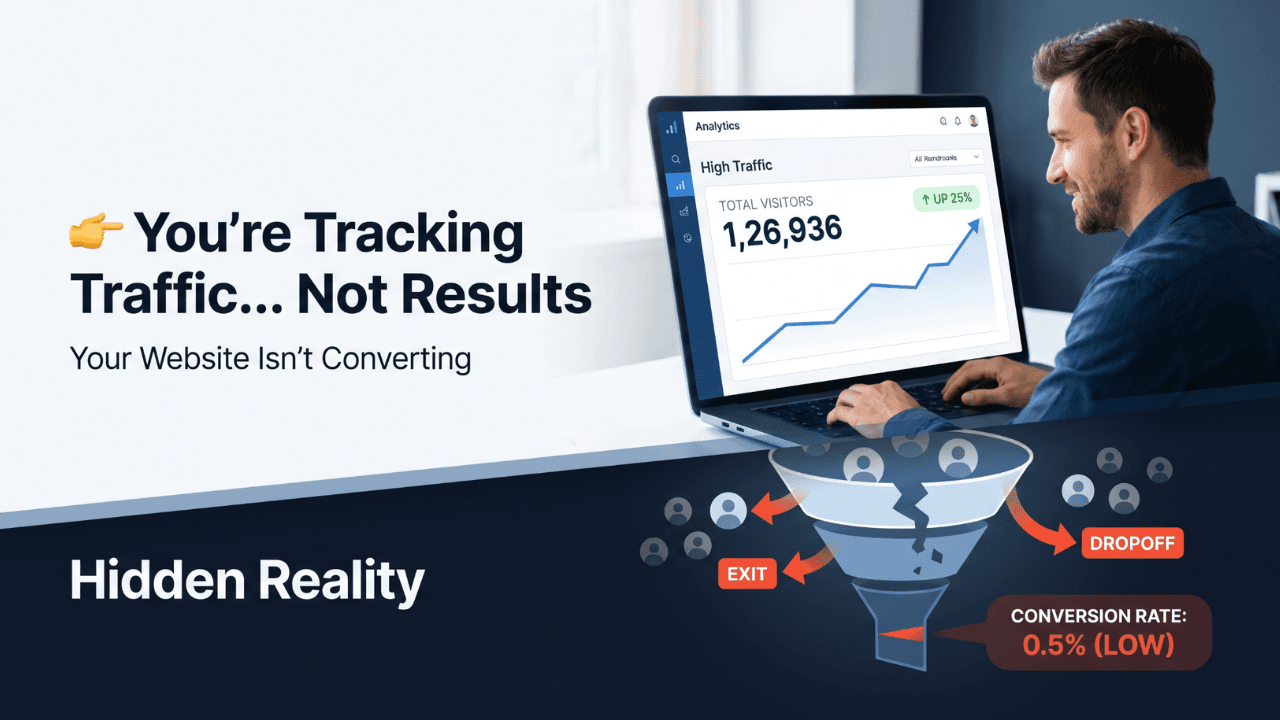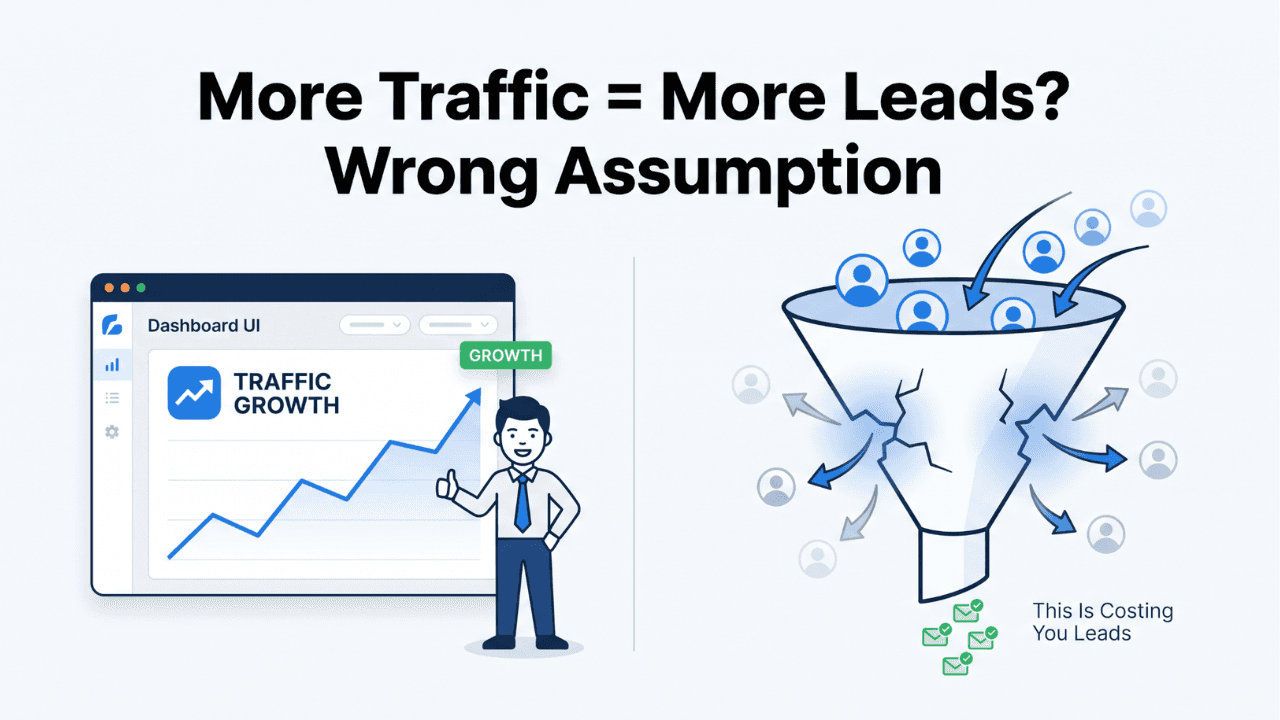
The Assumption That Costs Businesses Leads
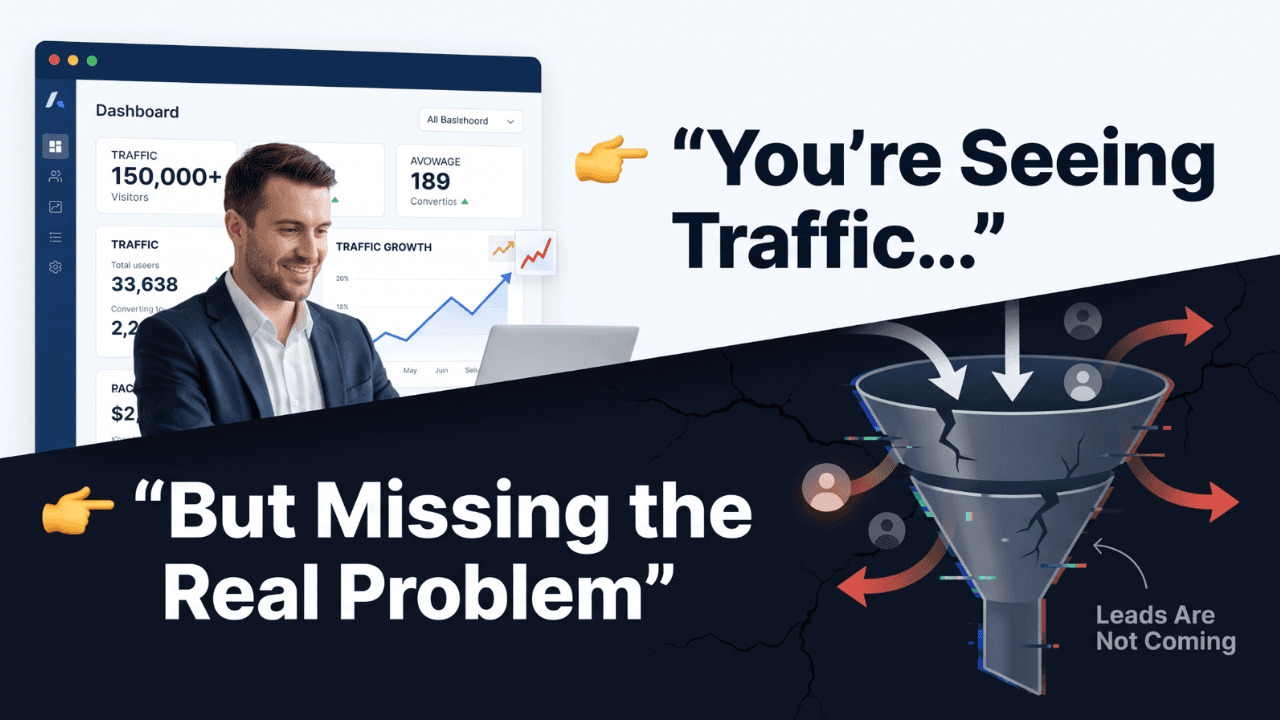
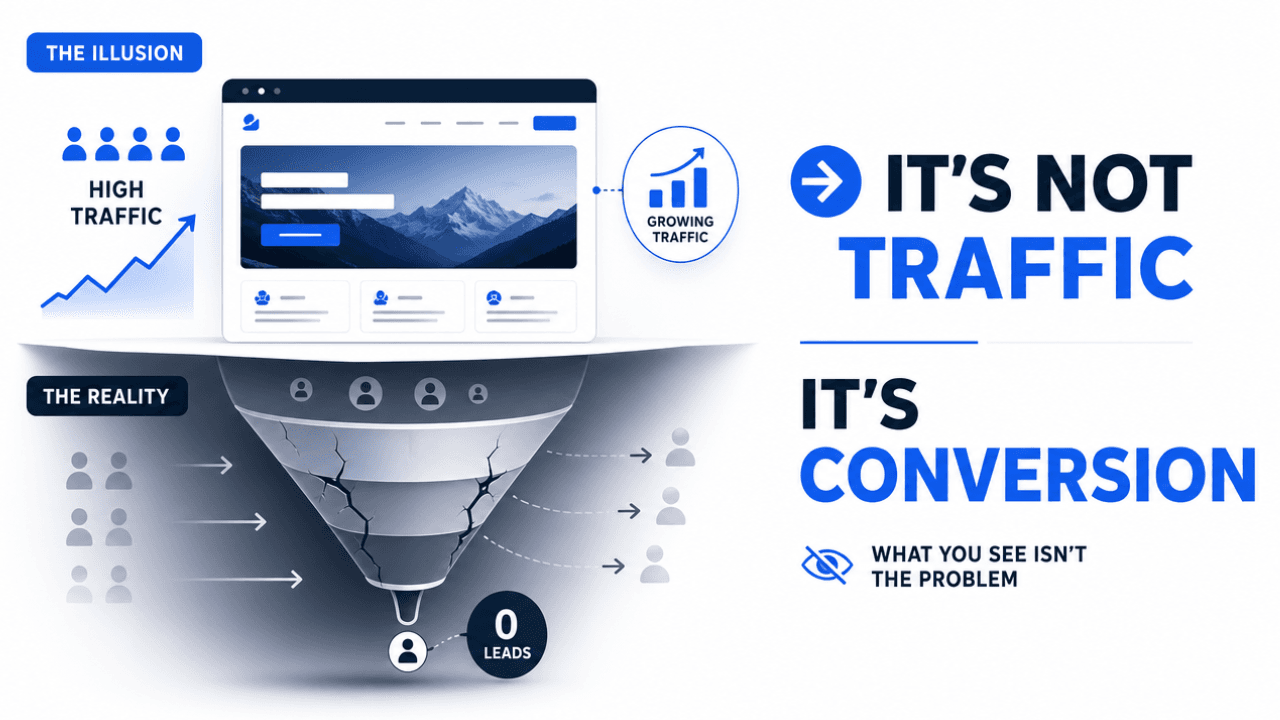
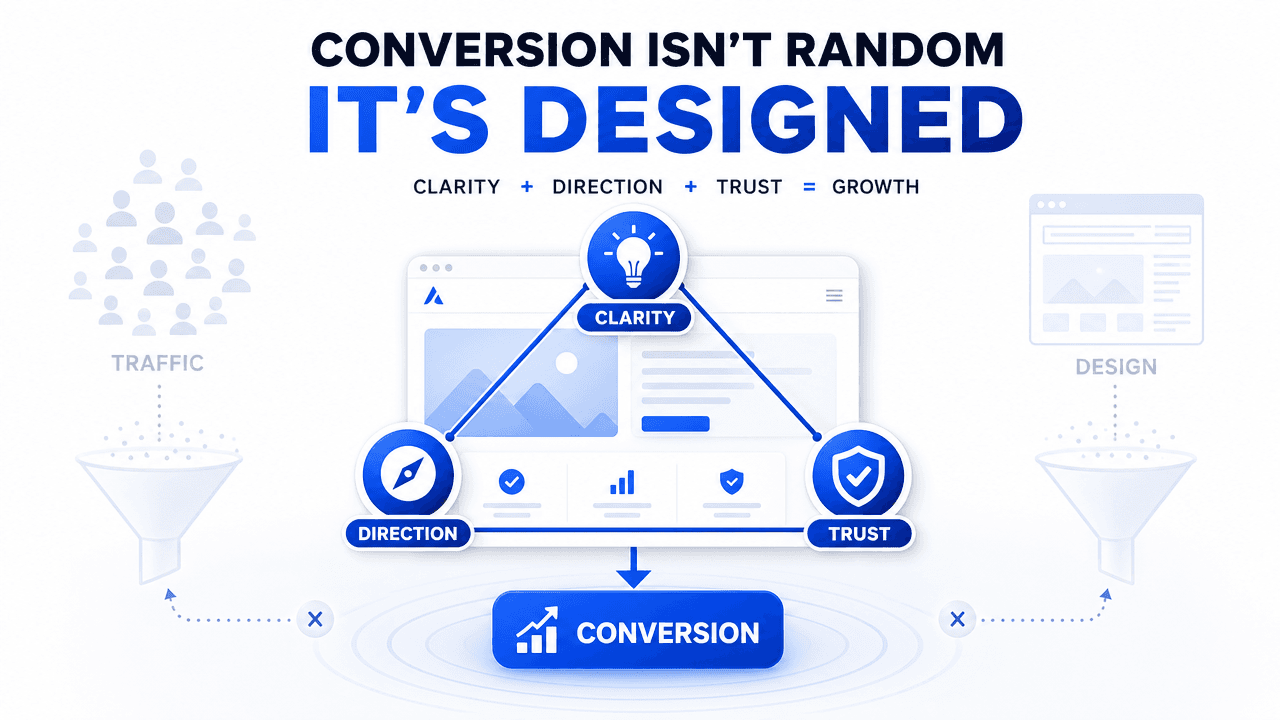
Many businesses assume low leads mean they need a redesign. In reality, small improvements have helped increase leads by 2X–3X without more traffic. More traffic does not fix broken conversion paths. Most websites do not fail because they lack features—they fail because they lose decisions. Conversion is not a design outcome. It is a decision outcome .
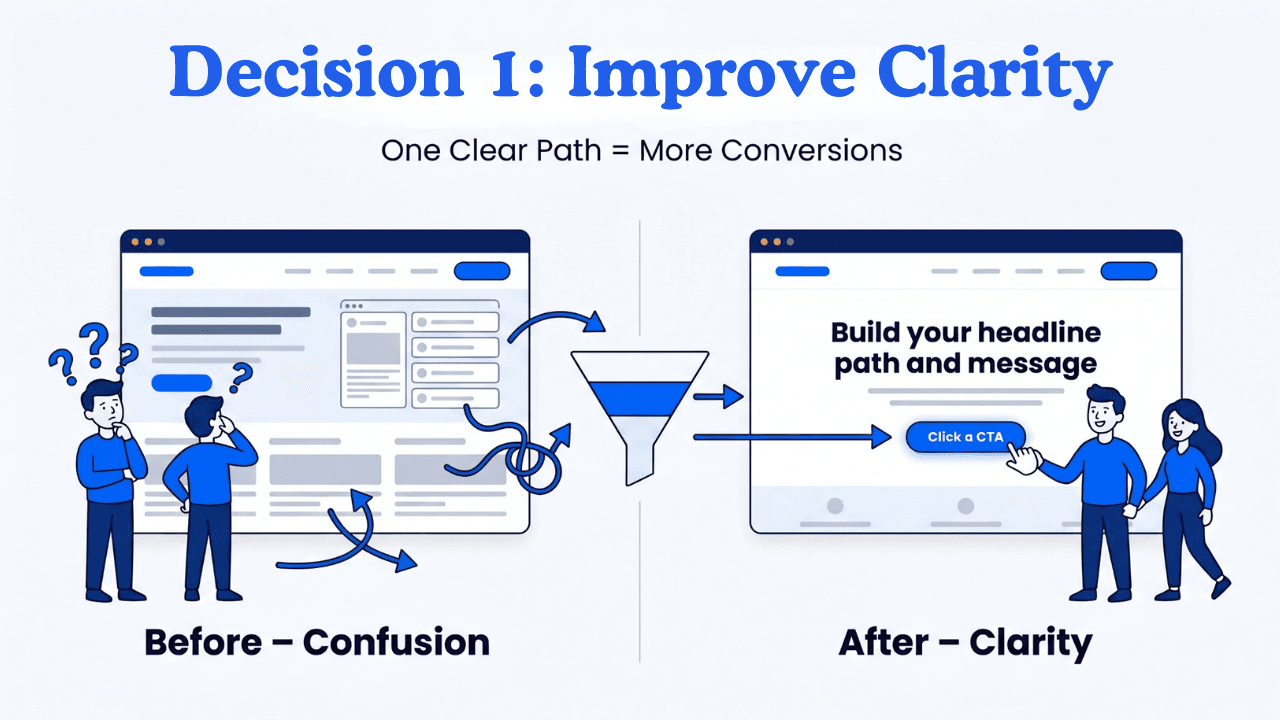
Decision A: Improve Decision Clarity
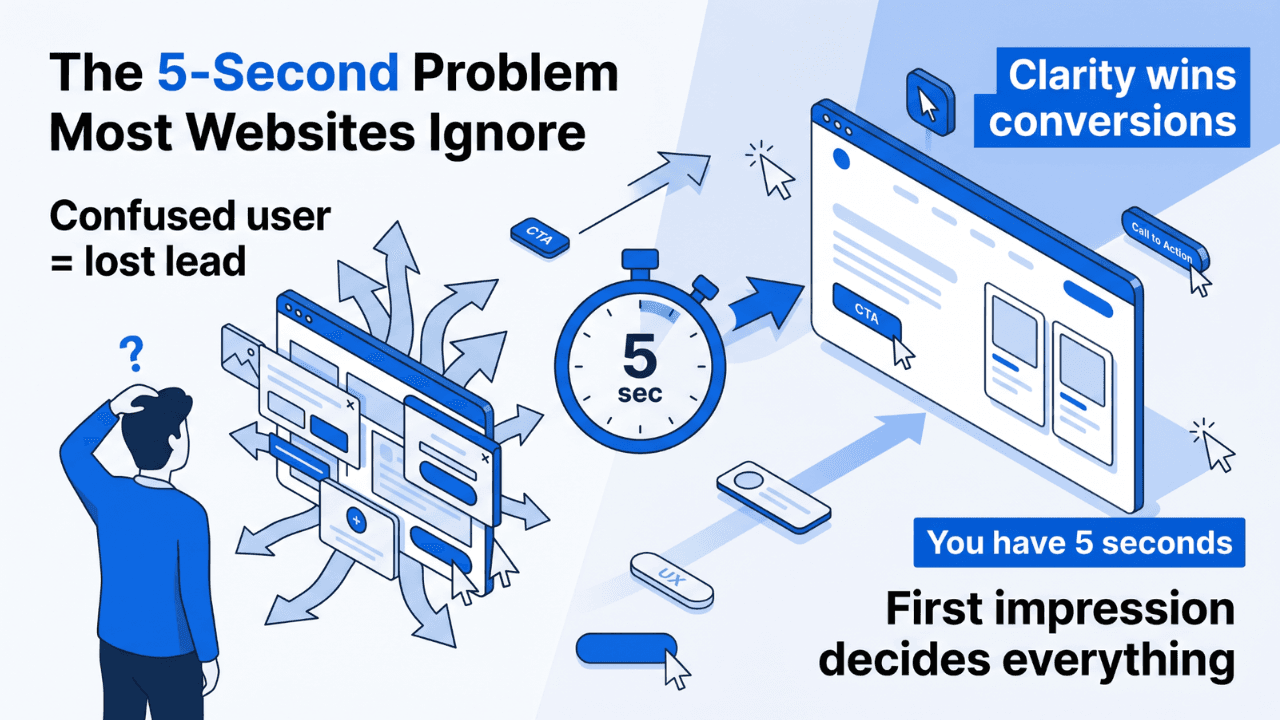
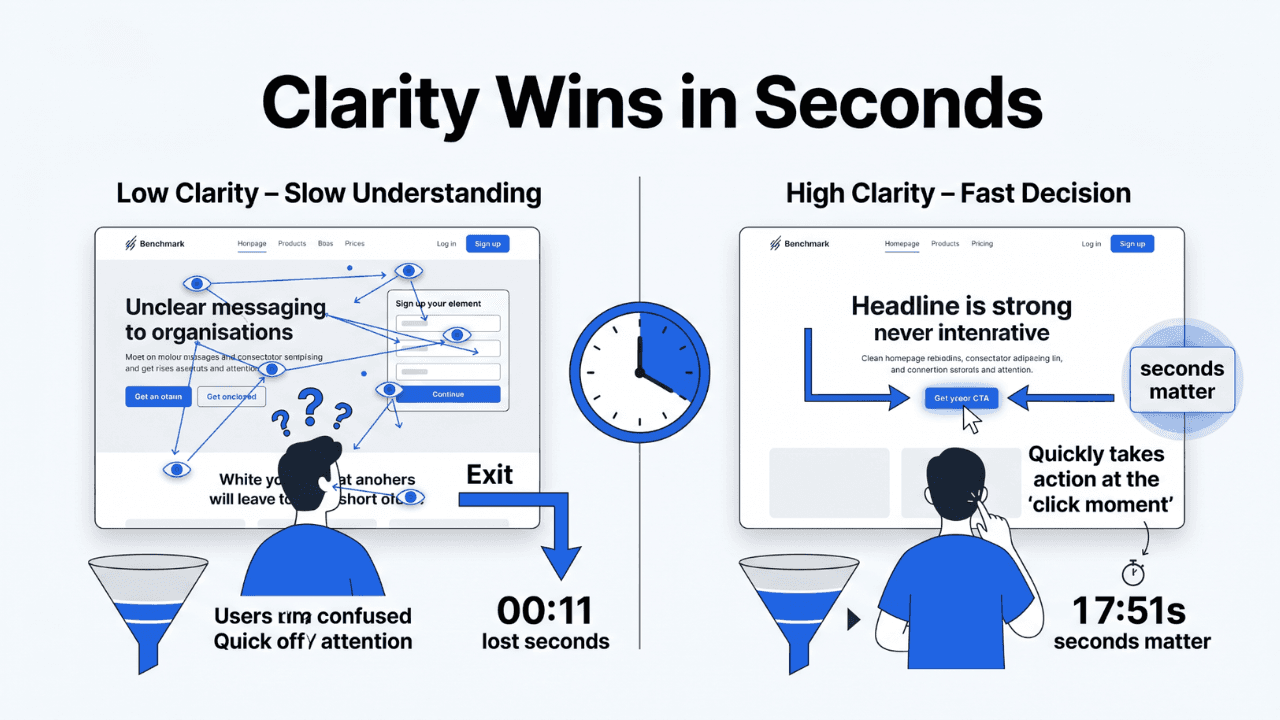
Users decide in seconds whether your website is worth their time. Clear positioning, stronger headlines, and one focused call-to-action often improve conversion more than visual redesigns.
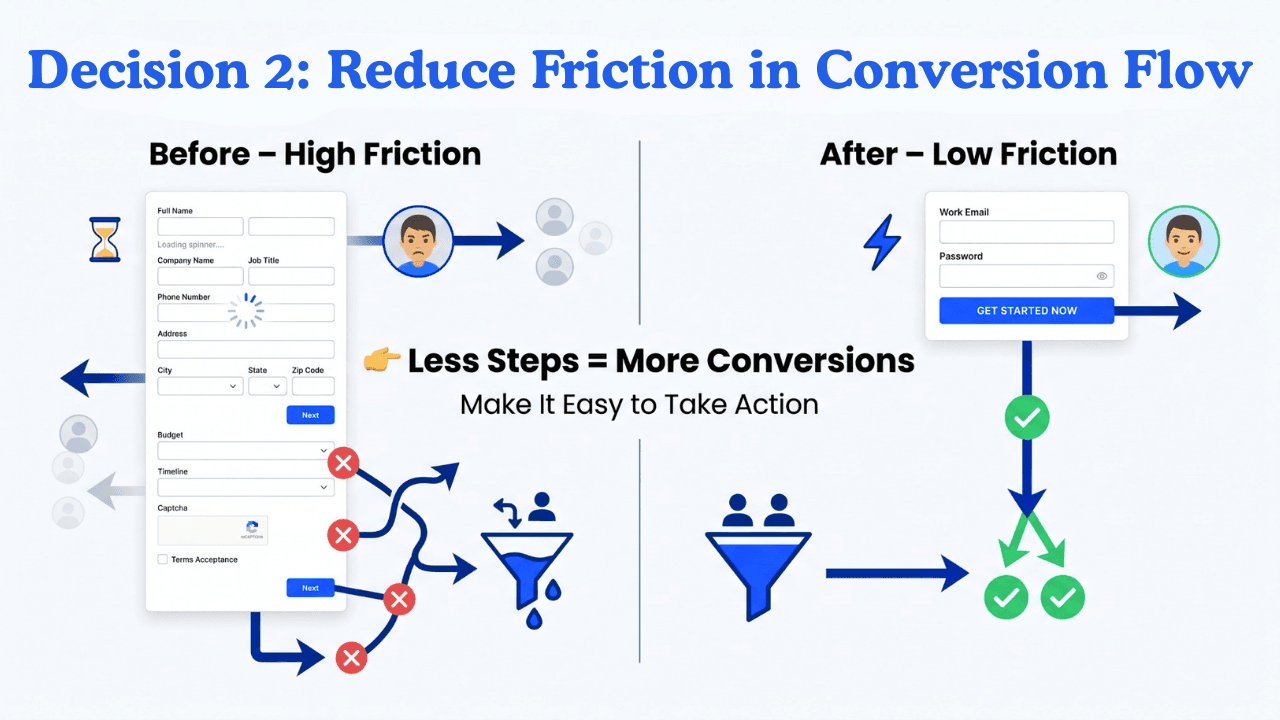
Decision B: Reduce Friction in Conversion Flow
Many leads are lost between interest and inquiry. Simplifying the path from intent to action often improves completions.
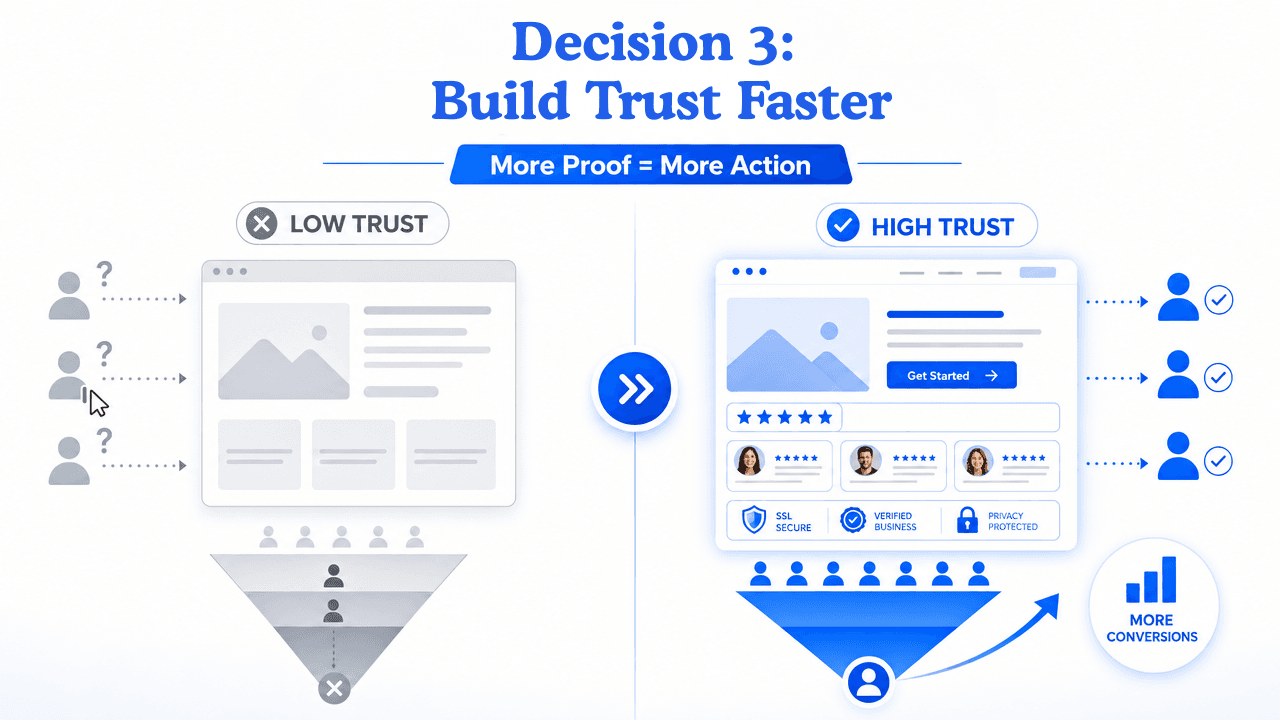
Decision C: Accelerate Trust
Visitors hesitate when proof is weak. Trust reduces hesitation and increases action
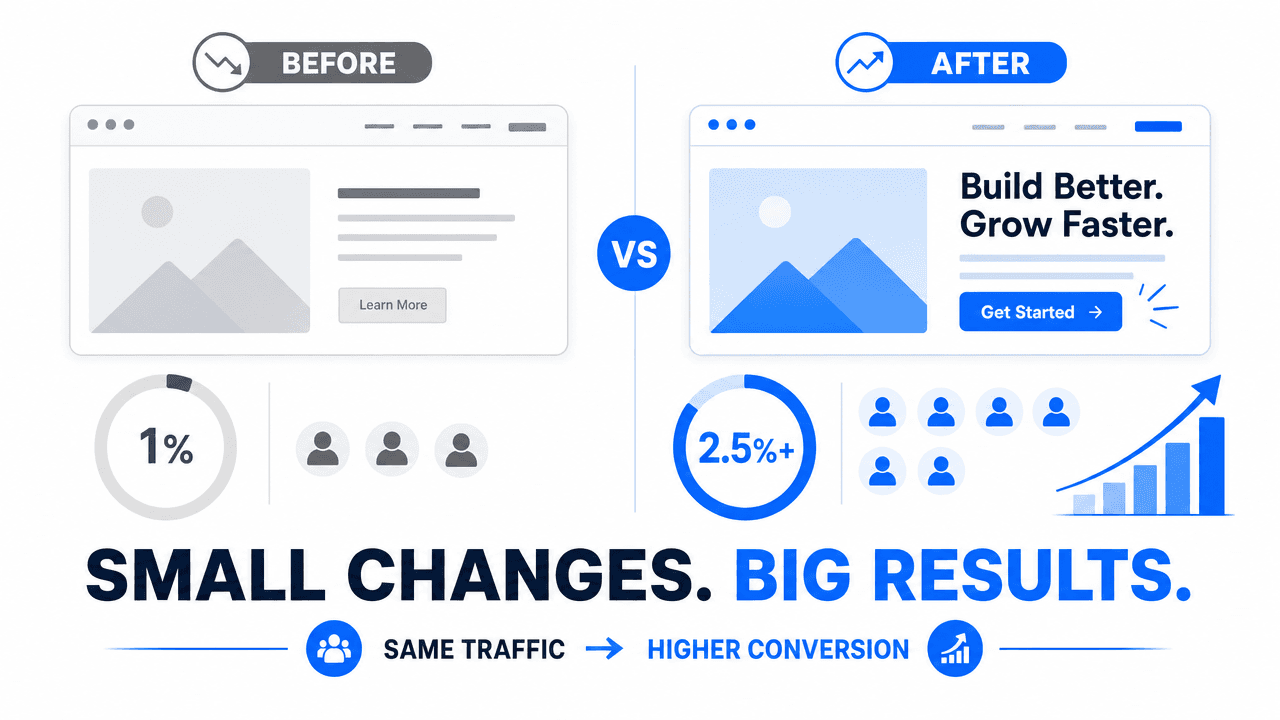
Real Impact From Small Changes
Improving these three decisions can move conversion from around 1% toward 2.5–3%, increase inquiry completions by 30–40%, and reduce drop-offs significantly.
Mini Case Example
A B2B service website improved inquiry rate from 1.2% to 2.8% after simplifying homepage messaging and reducing form friction.
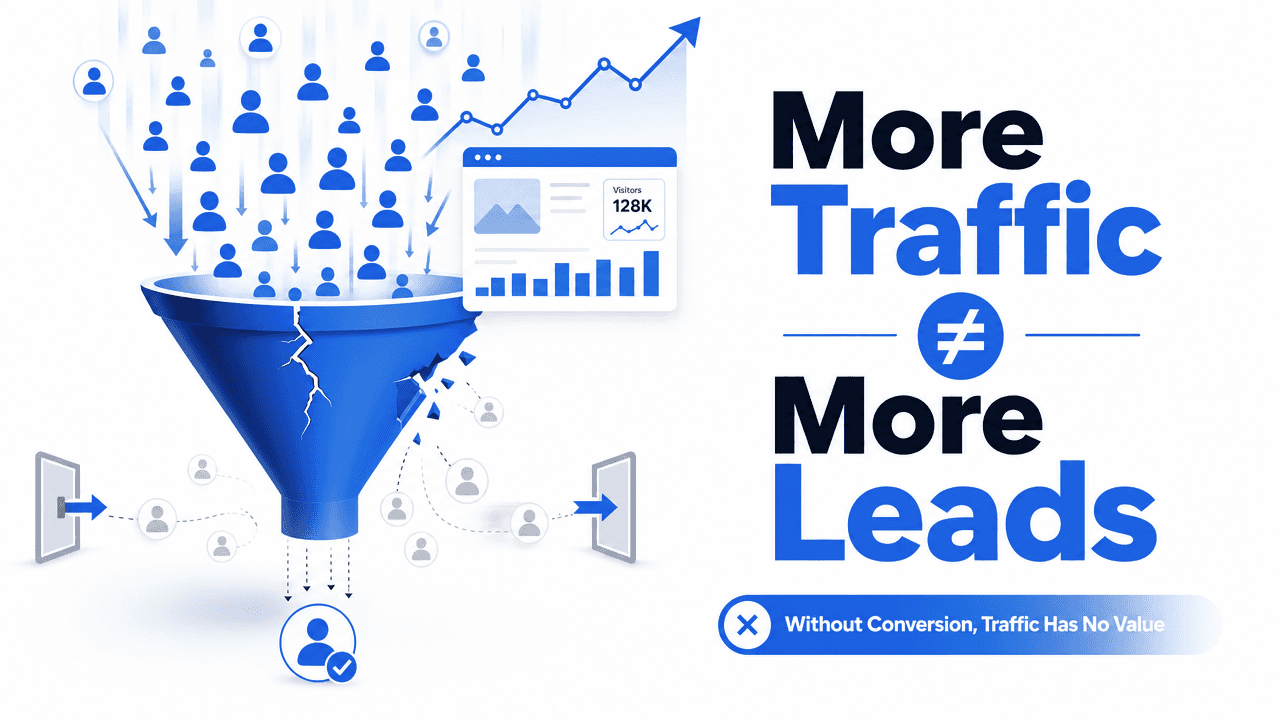
Why More Traffic Alone Often Fails
If the conversion path is weak, more traffic simply increases leakage. Conversion optimization often produces higher return than traffic acquisition alone.
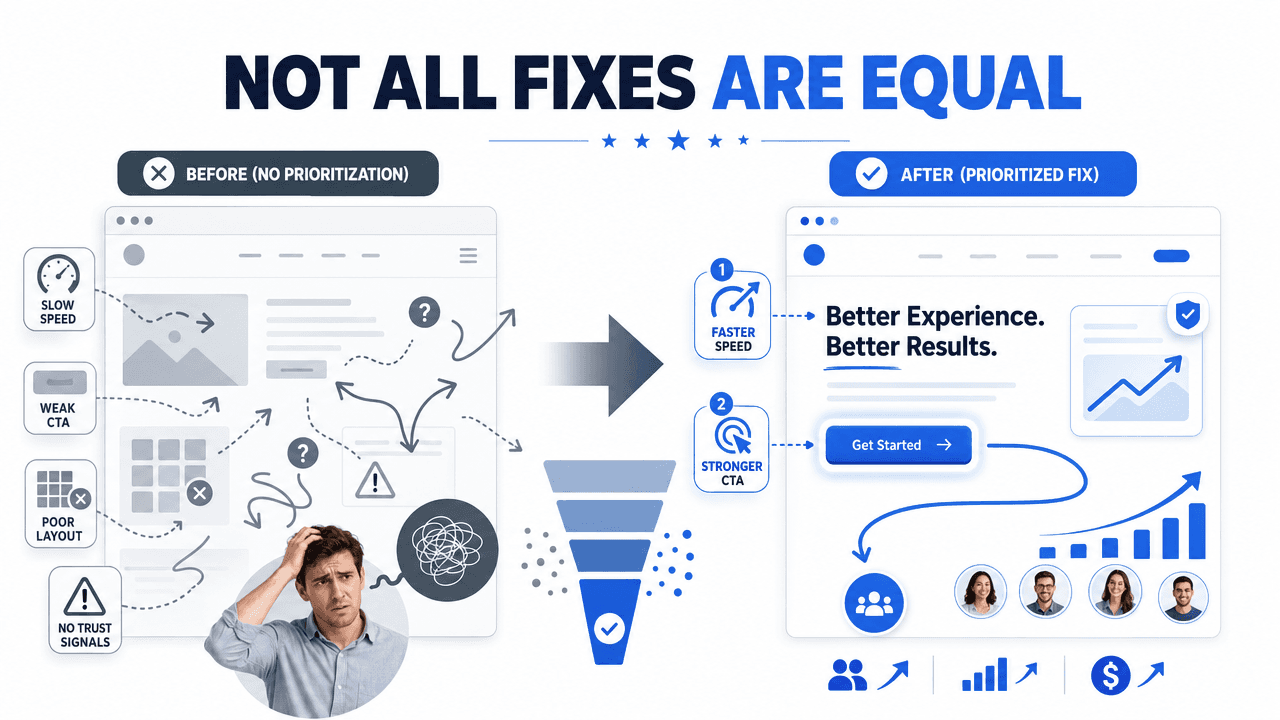
How to Prioritize Which Improvement to Fix First
If bounce is high, improve clarity first. If users abandon, reduce friction first. If users engage but do not convert, strengthen trust first.
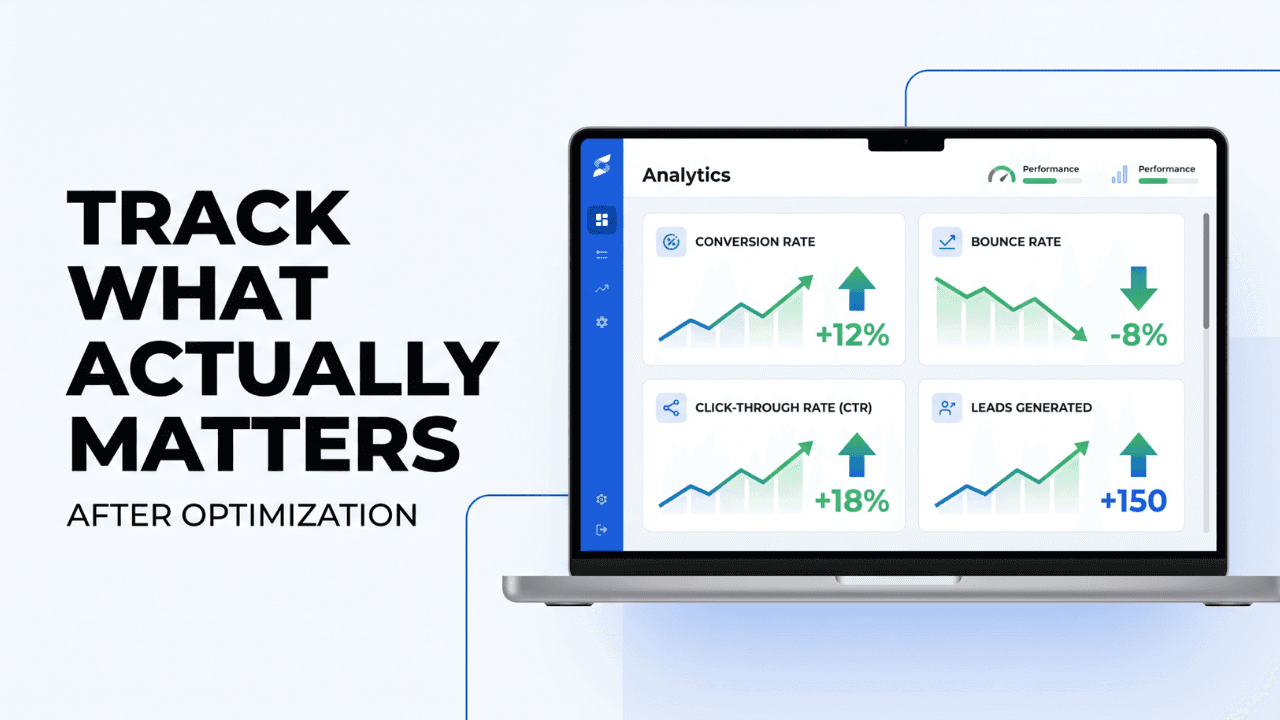
Metrics to Track After Optimization
Measure inquiry conversion rate, bounce rate, form completion rate and lead quality.
Let’s bring your ideas to life. Contact us today for a free consultation or book a demo with our team.
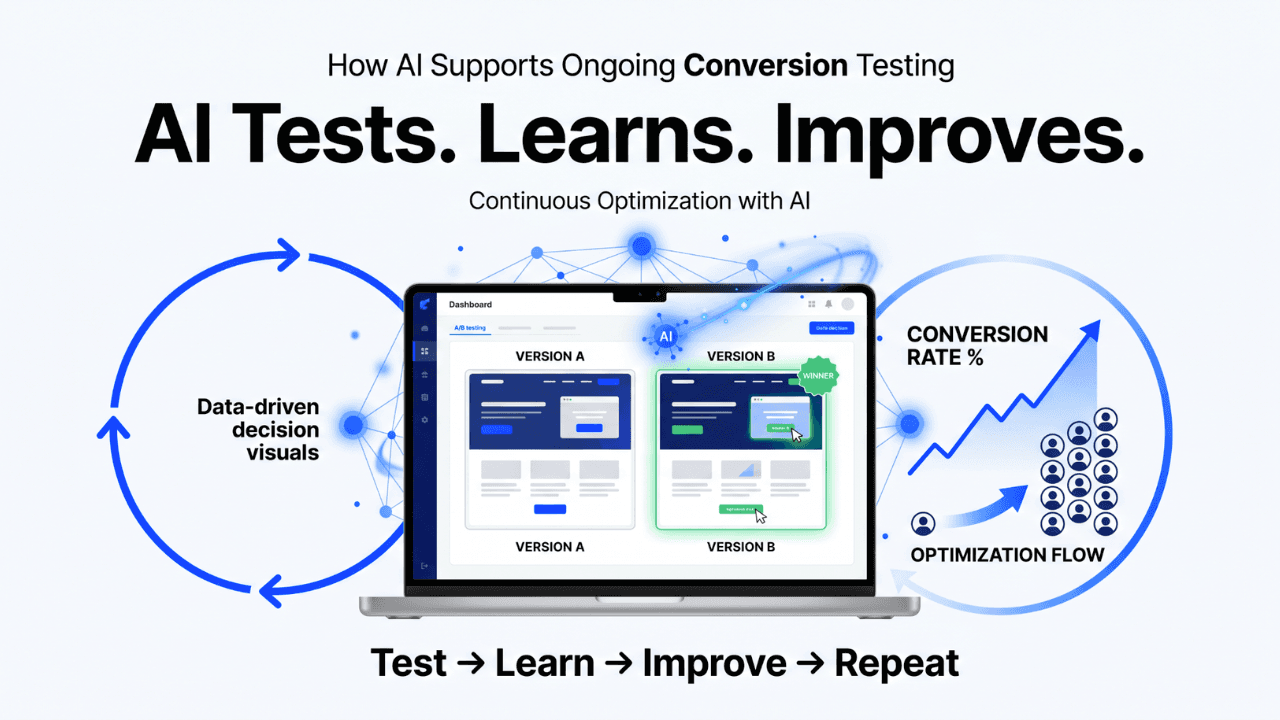
How AI Supports Ongoing Conversion Testing
AI can identify hesitation patterns humans miss, suggest messaging tests, and support continuous optimization.
Benchmark Insight: Why Clarity Matters Fast
Studies often show visitors form an impression of a website in seconds, which is why clarity improvements can have outsized impact on conversion.
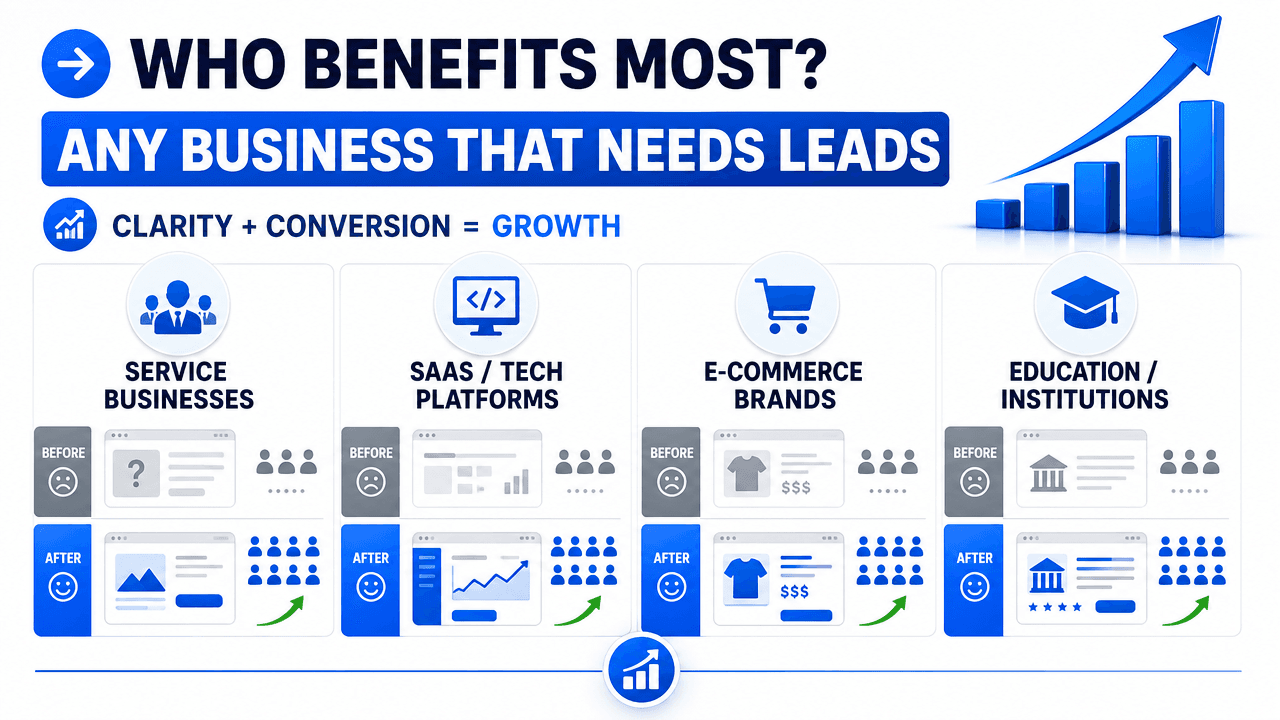
Who Benefits Most From These Improvements
These improvements often benefit B2B service firms, SaaS companies, agency websites and professional services where trust and lead quality matter.
The Insight Most Businesses Miss
Design attracts visitors. Direction and trust convert them. Better websites do not push users forward. They remove what holds them back. Every day a weak conversion path stays live, leads are quietly lost.
The Future Shift Has Already Started
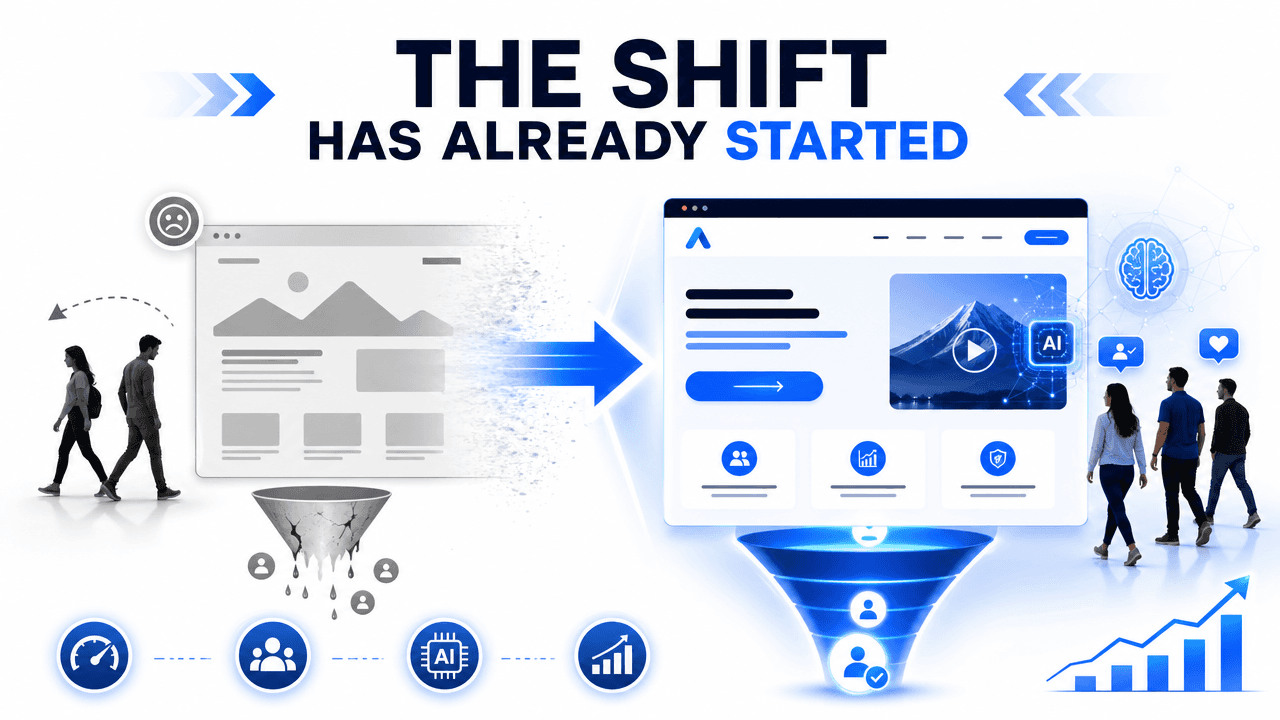
Websites that optimize decisions will outperform websites that only optimize design.
Why AzzipTech Focuses on Decision-Driven Websites
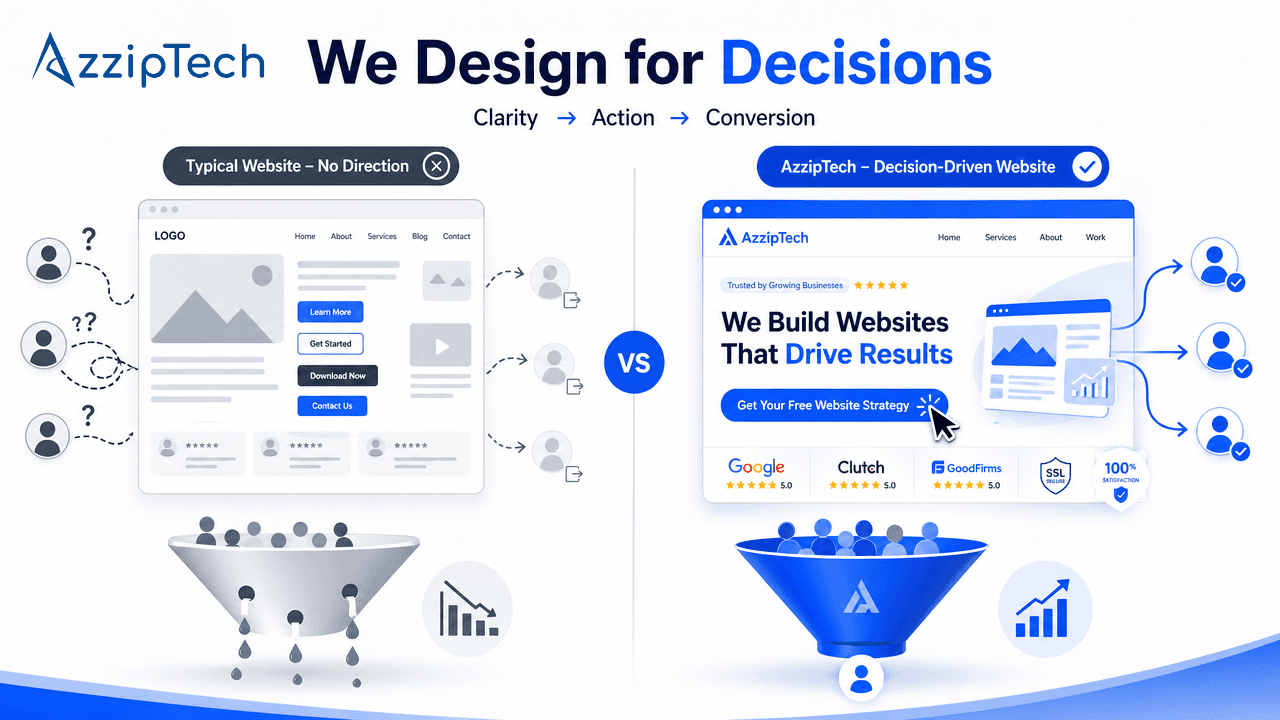
We build websites designed to improve decisions, not just aesthetics.
Take the Next Step
Explore /web-development, /conversion-case-studies, /website-conversion-audit, /ai-agents-for-websites and /b2b-website-lead-generation.

Final Insight
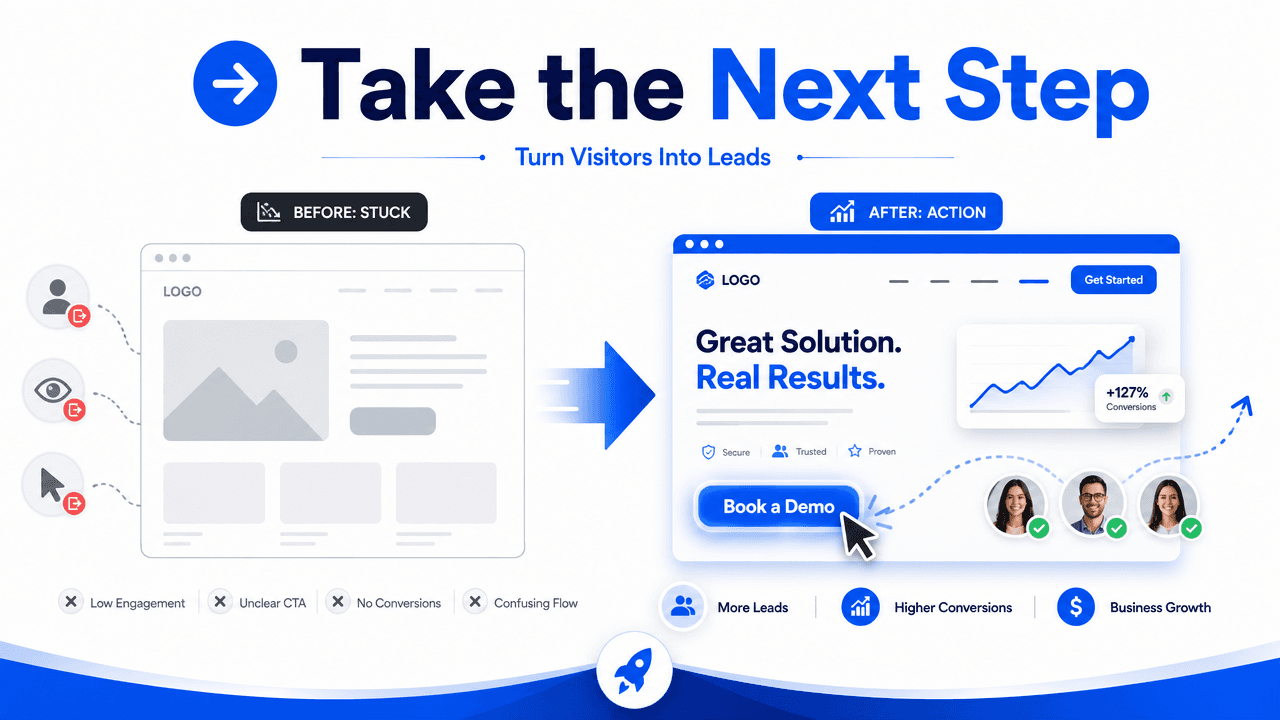
The question is not whether your website looks modern—it is whether it improves decisions that become leads
Internal linking can improve both SEO and conversion when related resources guide users toward deeper evaluation.
Conversion optimization often produces compounding returns because improvements lift the performance of all acquisition channels.
Businesses should review conversion paths monthly because small breakdowns can quietly reduce leads over time.
A stronger CTA hierarchy often improves user direction more than adding more page content.
Service pages often underperform because they describe services but do not clearly move users toward inquiry.
Lead quality matters as much as lead volume; stronger clarity often improves both.
Speed improvements can support friction reduction by reducing abandonment during evaluation.
Proof placement above the fold can sometimes improve trust faster than adding more testimonials lower on the page.
Messaging tests often outperform visual changes because they alter how users interpret value, risk and urgency
Ongoing optimization creates advantage because competitors often treat websites as static assets rather than decision systems.