.png&w=3840&q=75)
Discover how UAE institutes streamline admissions with LMS, improving speed, accuracy, and applicant experience
Managing admissions in UAE institutes has become increasingly complex due to growing application volumes and multi-step workflows. Many institutes still rely on manual forms, emails, and disconnected systems to handle applications, document verification, and approvals. This creates confusion, delays, and inefficiencies that directly impact both administrative teams and applicants. Without a centralized admission management system for UAE institutes, processes become fragmented and difficult to manage at scale
Why Traditional Admission Systems Are Failing
Manual admission processes are no longer sustainable in modern academic environments. As institutes expand, the number of applications increases, making it harder to manage records accurately and efficiently. Staff members spend excessive time coordinating between departments, verifying documents manually, and tracking application status. This leads to delays, errors, and poor applicant experience, ultimately affecting conversion rates and institutional growth
Disconnected Workflows Applications, approvals, and records are handled across multiple platforms, leading to inefficiencies and confusion
Lack of Transparency Applicants and administrators struggle to track application status, resulting in delays and frustration
.png&w=3840&q=75)
How LMS Transforms Admission Management
A modern learning management system for UAE institutes combined with a structured admission management system enables institutions to streamline the entire admission lifecycle. From application submission to final enrollment, all processes are handled within a centralized platform. This eliminates manual coordination and ensures consistency across departments
Centralized Admission Workflow
Institutes can manage applications, document verification, approvals, and onboarding from a single dashboard. This structured approach improves coordination between teams and ensures that all stakeholders have access to real-time data, leading to faster and more accurate decision-making
End-to-End Automation Automates repetitive tasks such as application tracking, document verification, and approval routing
Real-Time Data Access Provides instant visibility into application status, improving transparency and control
.png&w=3840&q=75)
Real-World Adoption of Digital Admission Systems
Institutes across the UAE are increasingly adopting digital admission systems to improve efficiency and scalability. This shift is driven by the need to handle larger volumes of applications while maintaining accuracy and speed. Digital systems help institutes reduce dependency on manual processes and improve coordination across departments
Proven Impact on Efficiency
Industry insights suggest that digitized admission processes can reduce processing time by 30–50% while significantly improving data accuracy. Institutions like AIIMS Bilaspur have demonstrated how structured systems can streamline workflows, reduce administrative workload, and enhance operational efficiency across departments
Faster Processing Time Applications are processed quickly with automated workflows, reducing delays.
Improved Data Accuracy Centralized systems minimize errors and ensure consistency in records
.png&w=3840&q=75)
Key Features of an Efficient Admission Management System
Modern admission management systems integrated with LMS platforms offer powerful features designed to simplify complex workflows and improve efficiency
Core Functional Capabilities
These systems provide end-to-end solutions for managing applications, approvals, and onboarding, ensuring a seamless admission experience for both staff and applicants
Online Application Submission Applicants can fill out forms, upload documents, and submit applications digitally without paperwork
Automated Document Verification System automatically checks documents, flags missing information, and reduces manual effort
.png&w=3840&q=75)
Structured Approval Workflow
Admissions involve multiple stakeholders, including administrators, faculty, and management. A structured workflow ensures that approvals are routed efficiently and transparently
Centralized Applicant Database
All applicant data is stored in a single system, ensuring easy access, better organization, and no duplication of records
Automated Approval Routing Approvals move seamlessly between departments without manual follow-ups
Secure Data Management Centralized systems ensure data security and compliance with institutional requirements
Let’s bring your ideas to life. Contact us today for a free consultation or book a demo with our team.
.png&w=3840&q=75)
Before vs After Digital Admission System
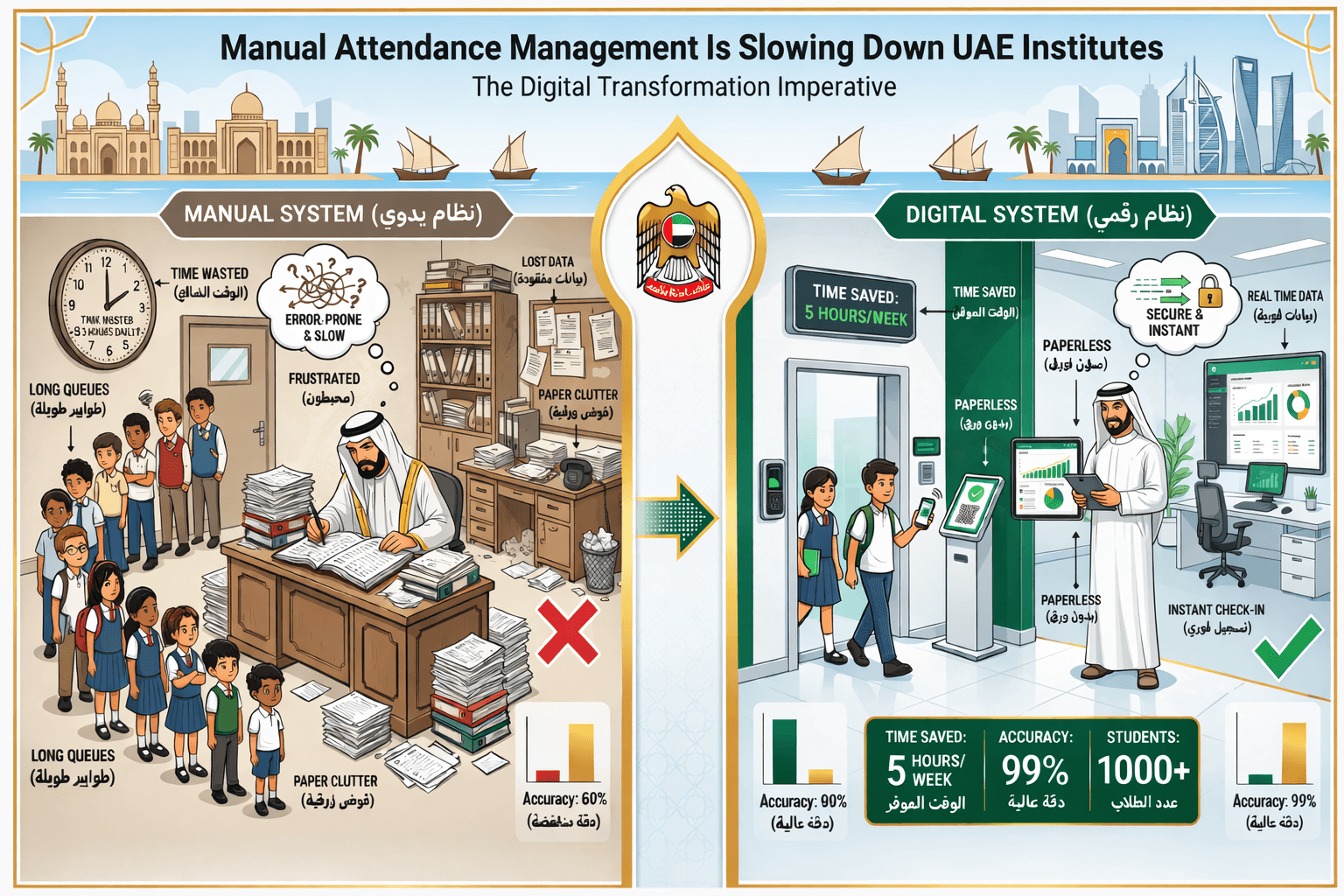
The difference between manual and digital admission processes is significant and directly impacts efficiency and applicant experience
Operational Transformation
Institutes that adopt digital systems move from fragmented workflows to structured processes that support scalability and growth
Before Digital System Manual forms, delayed approvals, scattered records, and lack of visibility
After Digital System Automated workflows, faster approvals, centralized data, and improved efficiency
.png&w=3840&q=75)
How to Choose the Right Admission Management System
Selecting the right system is essential for ensuring long-term success and smooth implementation
Key Evaluation Criteria
Institutes should evaluate systems based on usability, automation capabilities, scalability, and integration with LMS platforms
Ease of Use Ensures quick adoption by staff and applicants with minimal training
Integration with LMS Enables seamless transition from admission to learning without additional systems
.png&w=3840&q=75)
Common Mistakes in Admission Management
Many institutes struggle with admissions due to poor planning and reliance on outdated processes
Avoid These Challenges
Understanding common mistakes helps institutes implement effective systems and avoid inefficiencies
Over-Reliance on Manual Processes Manual systems increase workload and reduce efficiency
Lack of Process Structure Unstructured workflows lead to delays and confusion
.png&w=3840&q=75)
Impact on Student Experience
The admission process is the first interaction students have with an institute, making it a critical factor in shaping perception
Improved Applicant Journey
A streamlined admission process creates a positive experience, improves communication, and increases conversion rates
Faster Application Process Students can apply easily without delays or confusion
Better Communication Clear updates and transparency improve applicant satisfaction

.png&w=3840&q=75)
.png&w=3840&q=75)
.png&w=3840&q=75)
.png&w=3840&q=75)