Introduction
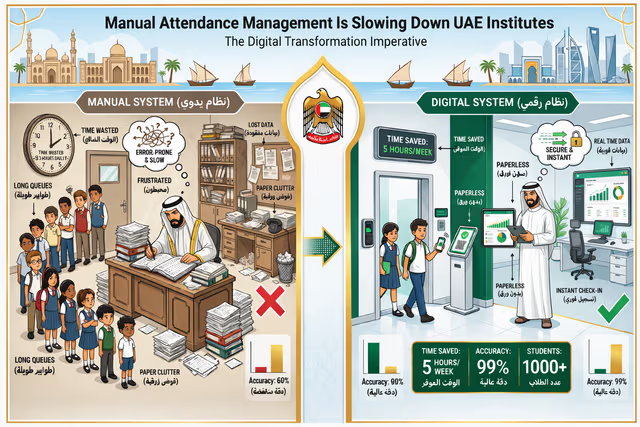
Many educational institutes still depend on manual attendance registers or spreadsheet files to record student attendance. While this traditional method has been used for years, it often creates operational inefficiencies for faculty members and administrators.
As institutions grow and manage multiple programs, batches, and classes, manual attendance tracking becomes time‑consuming and difficult to manage. It can lead to errors, delays in reporting, and limited visibility into student participation. In modern academic environments where digital learning platforms are becoming the norm, relying solely on manual attendance systems can slow down institutional efficiency.
What is Manual Attendance Management?
Manual attendance management refers to the traditional process of recording attendance using paper registers, printed sheets, or spreadsheet-based files. Teachers typically mark student presence during lectures and later compile these records to prepare attendance reports.
Although this process is simple to start with, it requires continuous manual effort and does not provide centralized tracking, automation, or real-time analytics.

Key Challenges of Manual Attendance Systems
1. Time Consumption During Lectures Faculty members often spend several minutes in every class marking attendance manually. When this process is repeated across multiple lectures and batches every day, a significant amount of valuable teaching time is lost.
2. Human Errors in Attendance Records Manual attendance entries increase the chances of errors such as missed records, incorrect entries, or misplaced registers. These mistakes can affect the accuracy of academic records.
3. Lack of Centralized Data When attendance records are stored in separate registers or spreadsheets, administrators cannot easily track attendance across departments or programs. This lack of centralization makes monitoring and reporting more complicated.
4. Difficulty Generating Reports Preparing monthly or semester attendance reports requires collecting data from multiple sources. This process is time‑consuming and increases the workload for academic administrators.
5. Limited Visibility into Student Engagement Manual systems do not provide analytics that help institutions understand attendance patterns or identify students with low participation.
How a Digital LMS Improves Attendance Management
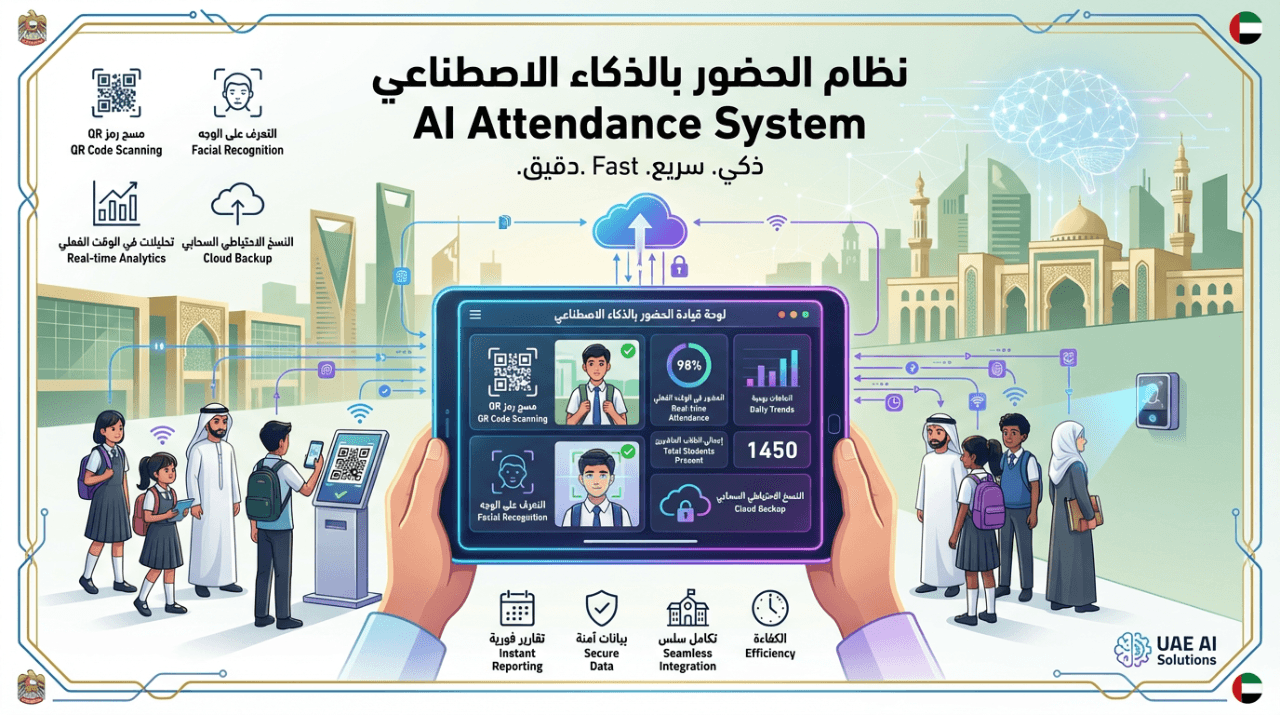
Modern Learning Management Systems (LMS) help institutes overcome these challenges by automating attendance tracking and centralizing academic data. With an LMS platform, faculty can quickly record attendance while administrators gain real-time insights through dashboards and automated reports.
A centralized LMS also integrates attendance with other academic activities such as course management, assessments, and student performance tracking. This enables institutes to manage their academic operations more efficiently.
Benefits of LMS-Based Attendance Tracking
• Faster attendance recording during lectures
• Accurate and centralized attendance data
• Real-time attendance reports for administrators
• Improved monitoring of student participation
• Reduced administrative workload
Let’s bring your ideas to life. Contact us today for a free consultation or book a demo with our team.

Conclusion
As educational institutions continue to adopt digital learning technologies, manual attendance systems are gradually becoming outdated. Implementing an LMS-based attendance management system helps institutes save time, reduce errors, and maintain transparent and accurate academic records.
.png&w=3840&q=75)

.png&w=3840&q=75)
.png&w=3840&q=75)
.png&w=3840&q=75)
.png&w=3840&q=75)